Emerging Backflow Threats: How to Stay Ahead with Proactive Prevention Strategies Aug 29, 2026
Backflow occurs when contaminated water reverses its flow back into the clean water supply, posing significant health risks. This reversal can be caused by a variety of factors such as changes in pressure within the plumbing system, often a result of common activities like firefighting or heavy water use elsewhere on the property. Emerging threats in backflow relate specifically to increasing cross-connections in urban settings, which can inadvertently introduce harmful substances into potable water sources.
With urban areas continuously expanding, the interconnection of industrial, commercial, and residential zones has created more opportunities for backflow issues. Increased demand on water systems and aging infrastructure exacerbate these risks. Furthermore, climate change contributes to unpredictable weather patterns that can strain water systems with sudden downpours, increasing backflow incidents. These threats underscore the importance of remaining vigilant and proactive.
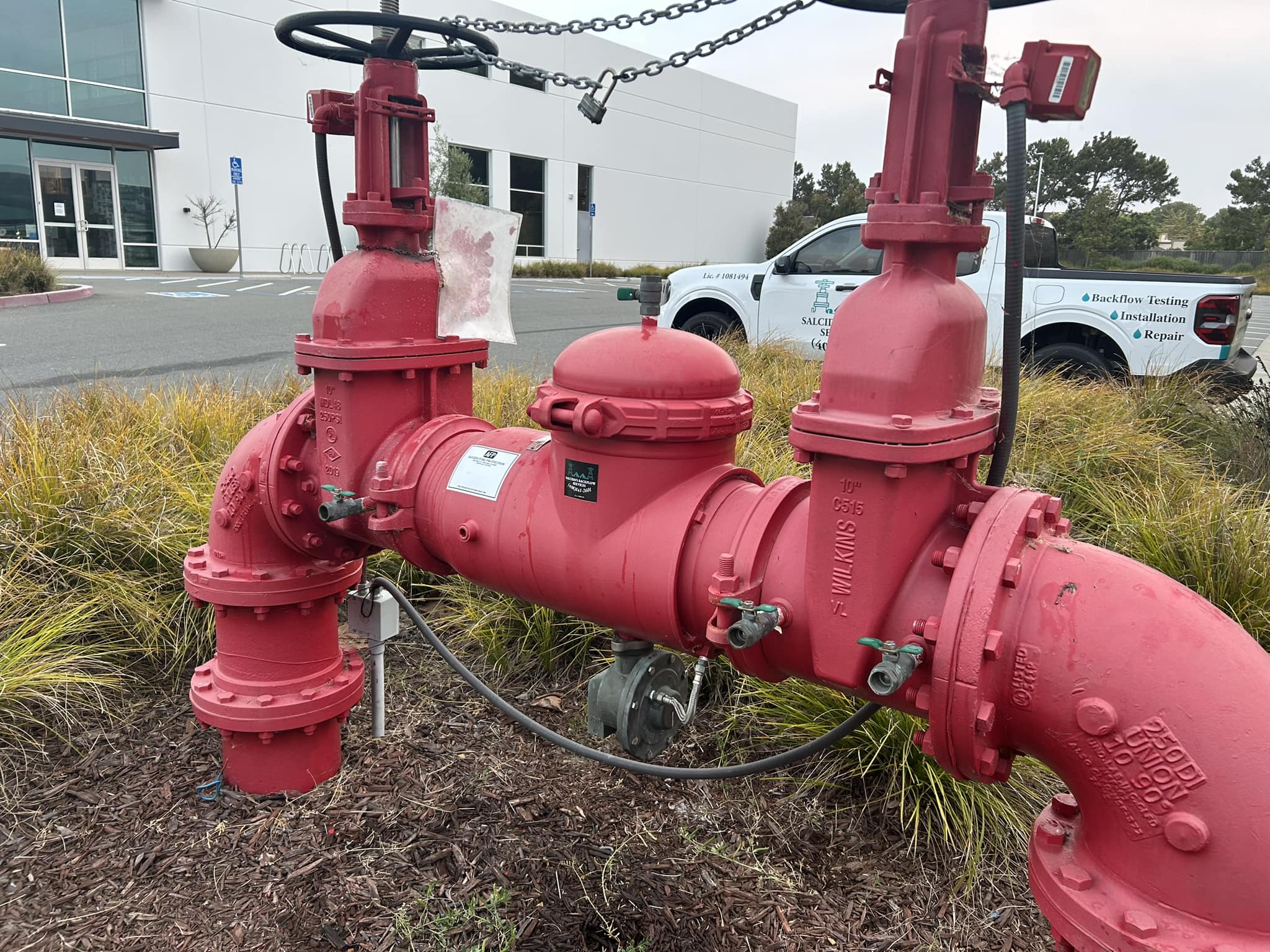
Staying ahead of backflow threats requires a comprehensive approach to prevention. Regular inspection and maintenance of backflow prevention devices are paramount. Investing in high-quality backflow prevention devices, such as reduced pressure zone (RPZ) assemblies and double check valve assemblies, can prevent contaminated water from cycling back into the clean water supply. These devices are designed to provide a reliable barrier against backflow but require periodic testing to ensure they remain effective.
Moreover, it is vital to have a professional service provider like Salcido's Backflow Services Inc. conduct routine inspections. Their expertise guarantees that all backflow prevention devices are up to local and federal standards. Regular inspections can detect early signs of potential backflow issues, addressing them before they escalate into significant problems. Professional services ensure compliance with regulations while safeguarding public health.
Educating staff and residents about the dangers of backflow and the steps they can take to mitigate risks is also essential. Awareness campaigns can inform stakeholders about recognizing the signs of potential backflow issues and how to act promptly. For instance, unusual changes in water pressure should be reported immediately to facilitate quick action.
In addition to maintenance and education, investing in new technology can play a significant role in effective backflow prevention. Some modern systems offer smart technology that integrates with the overall water management infrastructure, providing real-time alerts on system performance and potential risks.
Finally, building strong partnerships with local water authorities and staying informed about the latest regulations and technological advancements in backflow prevention can further enhance safety measures.
In conclusion, as backflow threats evolve with urban and industrial development, adopting a proactive prevention strategy is more important than ever. Regular maintenance, device upgrades, professional inspections, and comprehensive awareness are all critical components of a robust prevention plan. By taking these steps with the help of professionals like Salcido's Backflow Services Inc., property owners can ensure the integrity and safety of their water supply, protecting both health and property investments.
/filters:no_upscale()/filters:format(webp)/media/45cd5843-96ed-4f0e-9a7a-26026a457522.jpeg)
/filters:no_upscale()/filters:format(webp)/media/3be2b3c1-a13d-4be8-b509-46255819b20c.jpeg)